

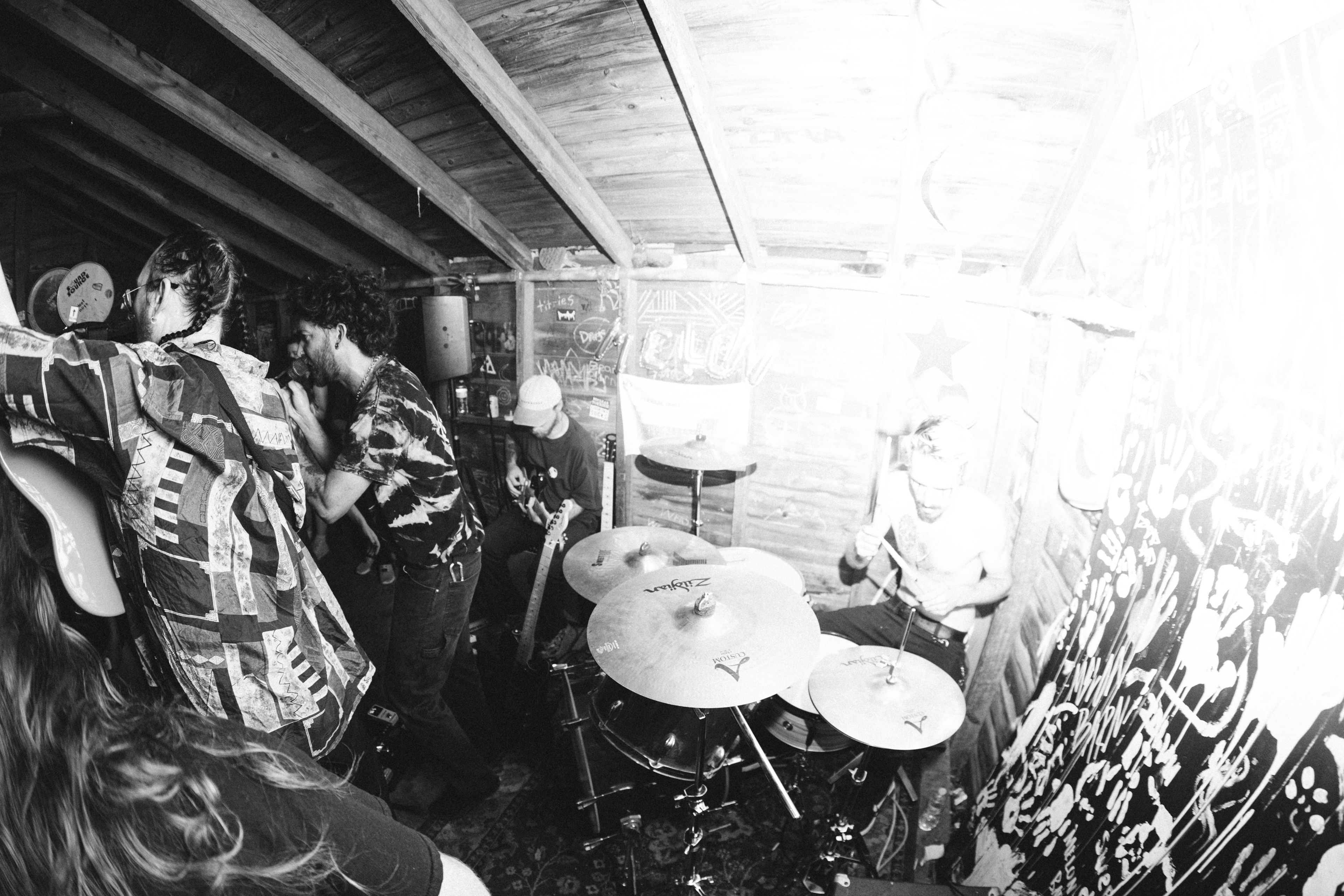
Ask most bands how they land on their sound, and you'll usually get some version of "we just kind of found it." Ask Alex Rickett, lead vocalist and guitarist for the Greer, South Carolina band Jest, and you get something more specific and more interesting. Rickett explains, "Everybody listens to different stuff from indie, stoner metal, metal, hardcore." That's not a lineup of genres the band is trying to fuse on purpose. It's just what five people happen to bring to the room. After sitting down with Rickett, one thing quickly became clear. The band’s sound comes from five very different musical influences that somehow fit together perfectly.
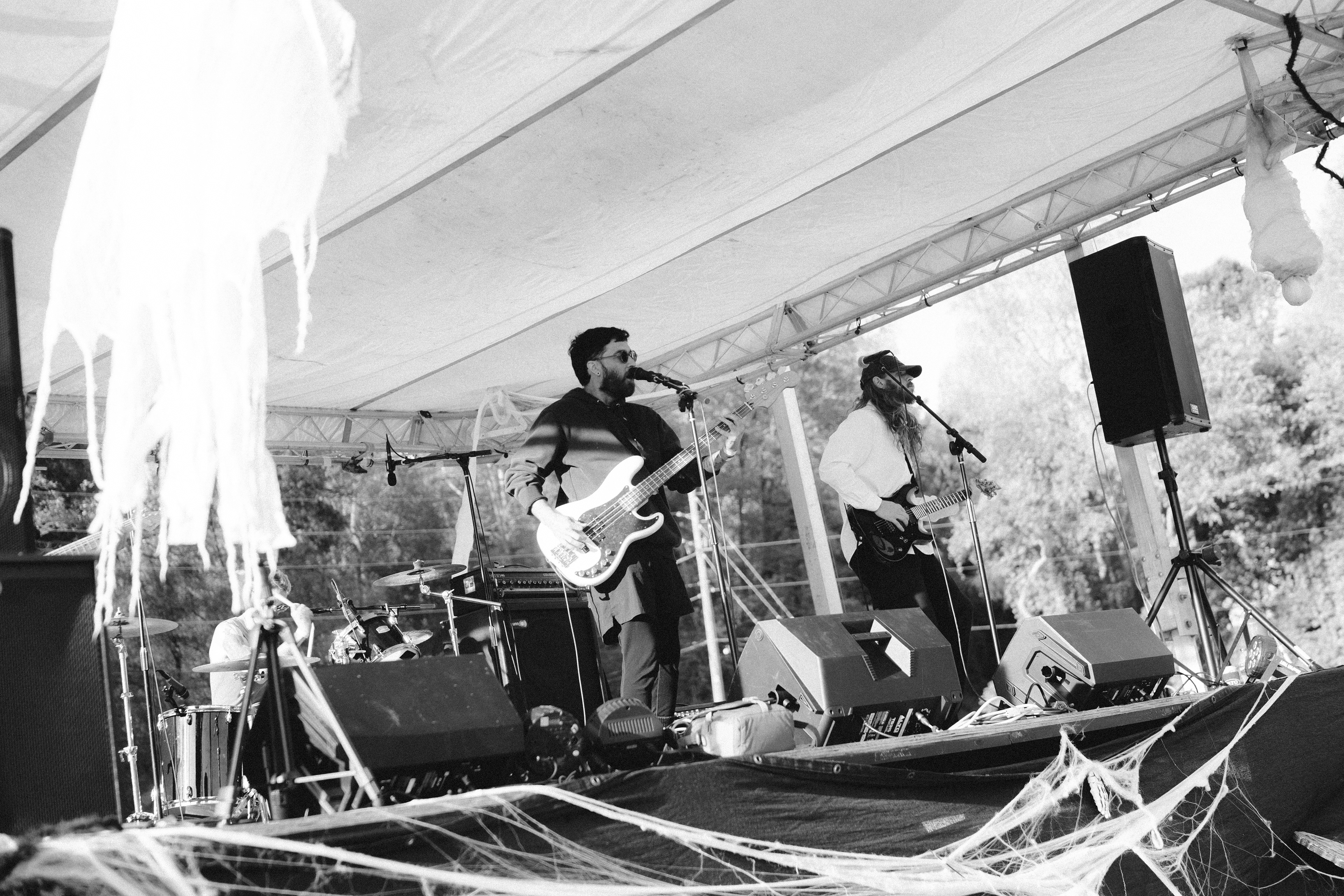
Four Influences, One Room
Most bands work from a shared reference point. A scene, a record, a sound everyone already agrees on before they start writing. Jest works the other way. Each member is showing up with a completely different playlist, and the songs get built in the gap between those tastes rather than on top of a shared one. Rickett is careful to root the band's identity in "a lot of early grunge and punk," but he's just as quick to point out that the label only covers so much. The real material of the band isn't a genre. It's the negotiation between four sets of ears that don't naturally listen to the same thing.

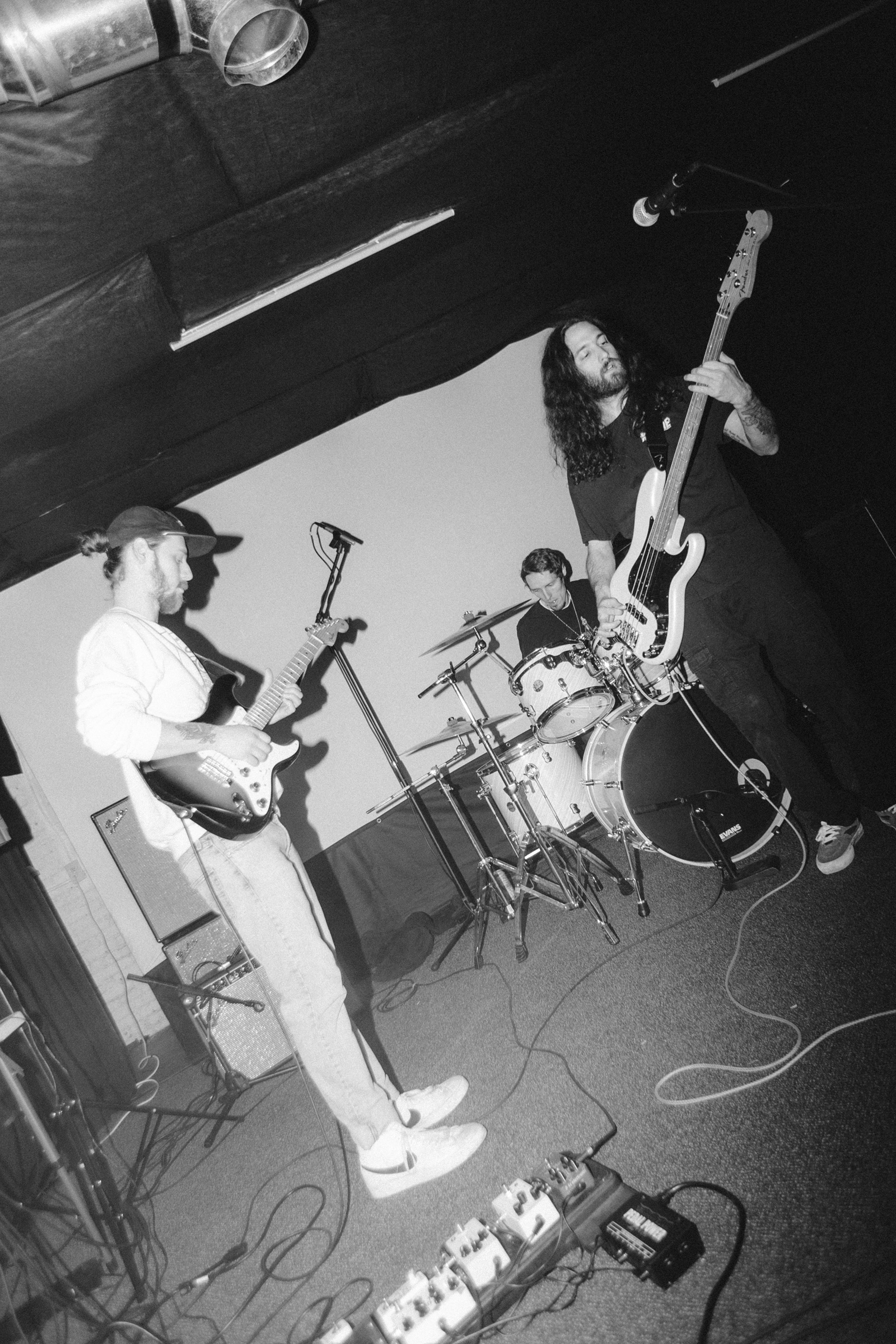
Meshing, Not Merging
The word Rickett reaches for isn't fusion, or blend, or even collaboration in the abstract sense bands usually mean when they say "we're all in this together." It's more physical than that: "we just have fun and mesh it in a cool way that works."
Mesh is doing a lot of work in that sentence, it implies friction. Gears, teeth, parts that don't naturally fit but are forced into motion together anyway. That's a very different image than "blend," which suggests things dissolving into each other until you can't tell them apart. Meshing keeps the parts distinct. You can still hear the stoner metal in there. You can still hear the hardcore. They're just moving in the same direction now.
That distinction matters, because it explains why genre-blending bands so often flatten into something generic. Everyone smooths their edges off to fit together, and what's left is neither one thing nor the other. Jest's approach seems to avoid that by keeping the edges. The influences aren't erased in service of a unified "Jest sound." They're organized around a shared goal instead.
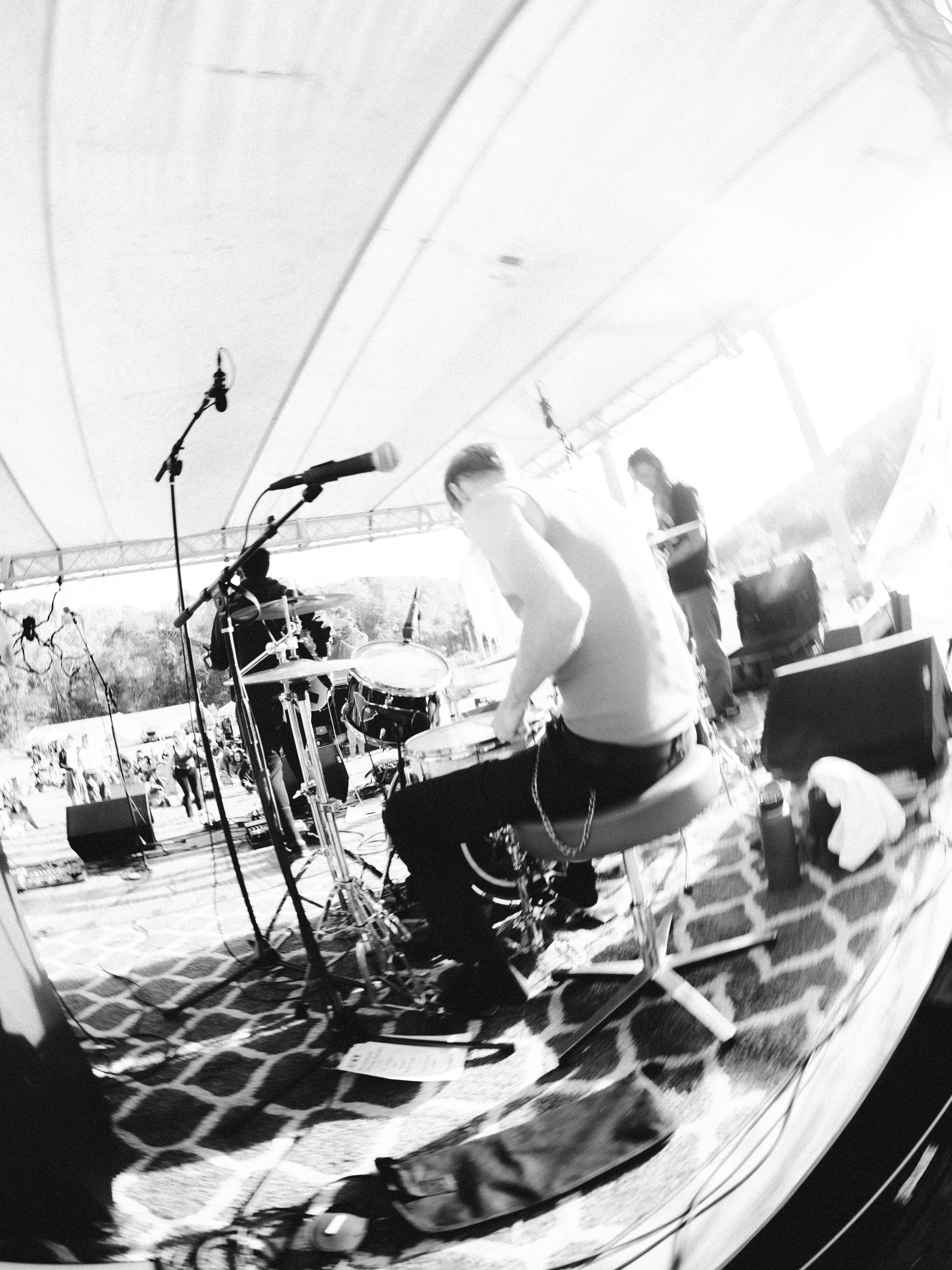
The Goal That Holds It Together
So what's actually doing the unifying, if not a genre? For Rickett, it's emotional intent. The mesh works because everyone is aiming at the same target, even while pulling from different toolkits to get there. They're trying to "present the emotion" the song calls for, whatever combination of instincts that takes.
That reframes the whole process. The question isn't "does this riff belong in an indie song or a hardcore song." The question is whether it serves what the song is trying to say. Genre becomes a resource to draw from rather than a rulebook to follow. Which is presumably how a band ends up with four different influences in the room and still walks out with one song instead of four competing drafts of it.
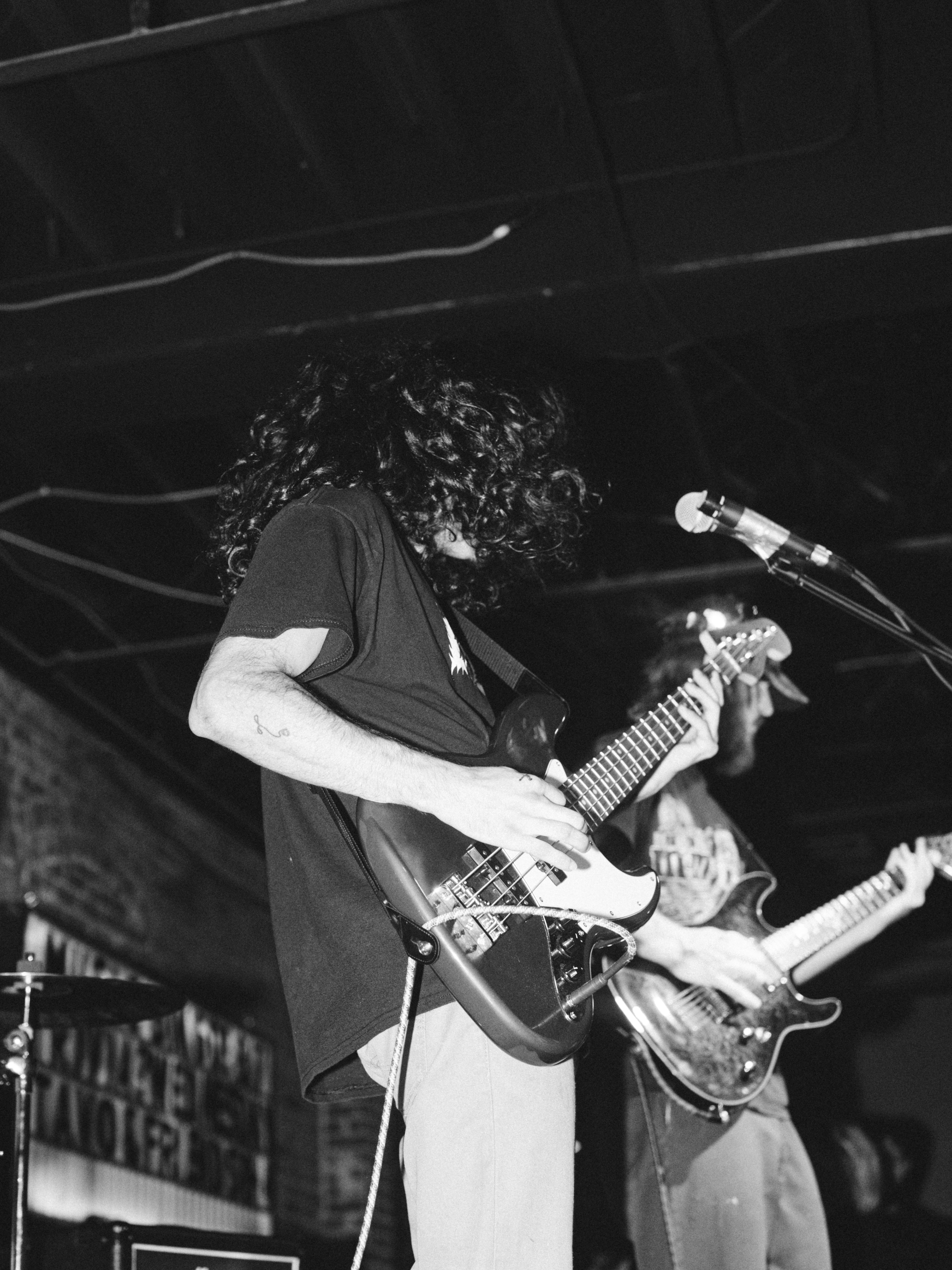
Why This Might Be the More Interesting Story
Bands that blend genres are common. Bands that can articulate how they avoid the blend turning to mush are rarer. Most just shrug and say it works or it doesn't. Rickett's answer suggests Jest has actually thought about the mechanics. Keep the individual influences intact. Let them mesh under pressure rather than dissolve into sameness. Most important, to let emotional intent, not genre convention, be the thing everyone's actually agreeing on.
It's a small distinction, but it's the kind that tends to separate bands who blend genres as a gimmick from bands who blend them because it's simply how four different people end up telling the same story. With a new album on the way, one they're recording entirely themselves, it'll be worth hearing whether that mesh holds up under the DIY process, or whether the studio changes the equation.
Future Outlook (6–12 months)
The band is fully DIY, recording their own material, which makes for a slower process. Their main goal is finishing and releasing their current album. They also already have roughly half of a follow-up album written and plan to get into the studio for that next. Beyond that, Alex says the focus is simple; "Keep writing, keep playing shows, and keep trying to make an emotional impact on people."
Check out their Instagram below, and grab tickets to their next show!